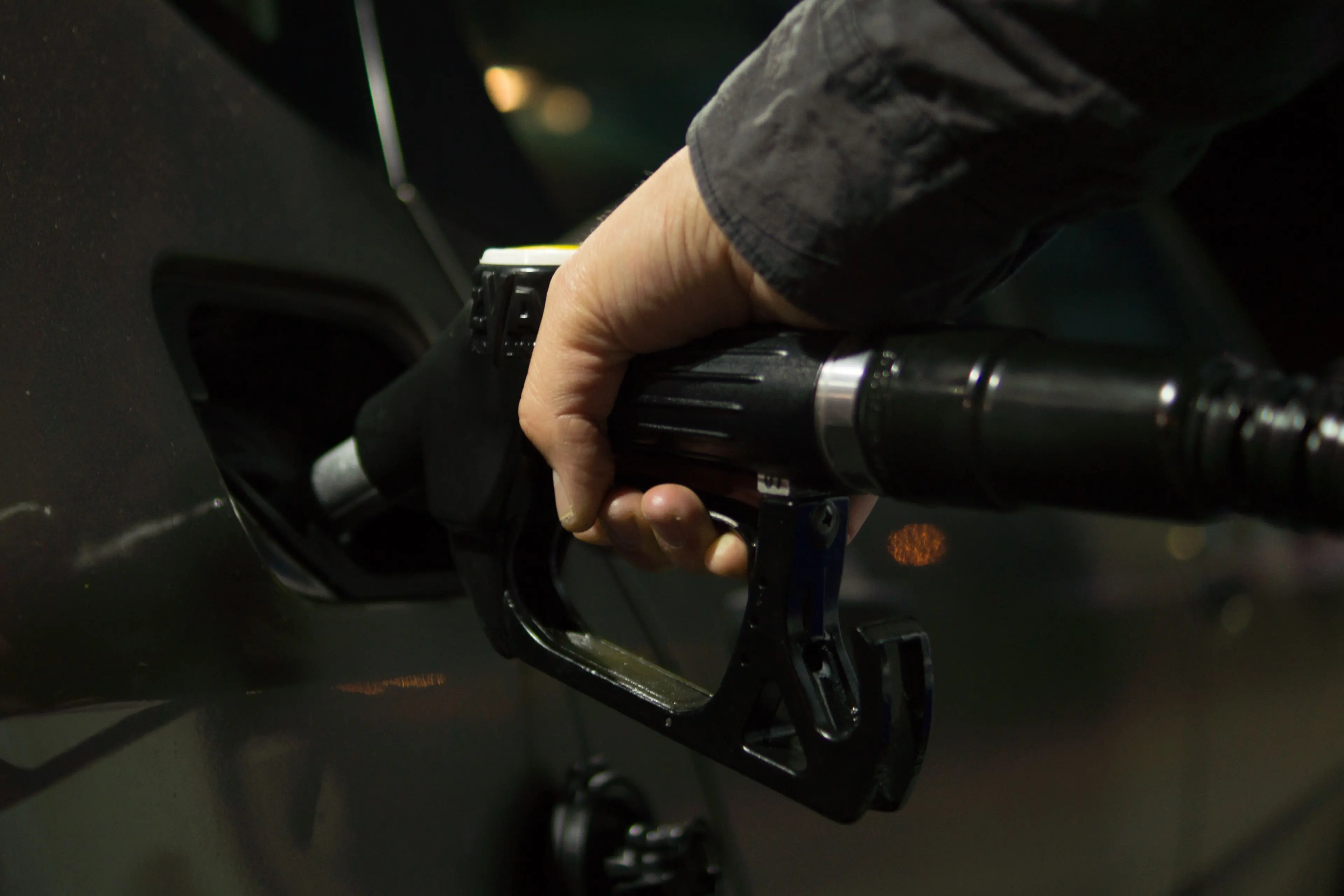
The pain at the bowser looks set to continue, with fuel prices rising in Mansfield last week ahead of the end of the temporary 16 cents-a-litre fuel excise discount on Sunday.

Prime Minister Anthony Albanese confirmed the government was not planning to extend the discount, but indicated further announcements on fuel security and cost savings were expected in the coming days.

Mr Albanese told the ABC’s Insiders program the government had committed more than $10 billion to fuel supply and security measures and foreshadowed further investment.

The initial three-month fuel excise reduction ended on 30 June and was replaced by a 16 cents-a-litre reduction for July.

The temporary reduction is due to expire on 2 August, meaning drivers will no longer receive the 16-cent discount from Monday.

Deputy Leader of the Opposition and Liberal Senator for Victoria Jane Hume responded to questions about local fuel prices, pricing practices and their ongoing effects during a visit to Mansfield early last week.

“The ACCC has to do its job first and foremost to make sure that there isn’t any price gouging or anything else, and that was a big issue at the beginning of the year,” Senator Hume said.

“I haven’t heard much about it lately, but if residents have any evidence of it, they should report that to the ACCC.”

Senator Hume urged concerned local consumers to visit the ACCC website to report their experiences.

“So that’s the first thing,” she said.

“I mean, you’ve got to make sure you’re not price gouging.

“We’ve also spoken about making sure that we double our reserve capacity to 60 days.

“That’s a pretty good start, and then also establish our own refinery capabilities.

“That’s going to be a much longer-term prospect.”

While Senator Hume said it was good to know that “apparently our supply chains have been secured”, she was not sure that was flowing through to lower prices.

“We’ve said that we’re comfortable with the idea of them extending the excise [discount], but they have to work out how they’re going to pay for it.

“There have to be offsets,” she said.

Independent Member for Indi Dr Helen Haines has continued to advocate on fuel supply and affordability since concerns emerged earlier this year.

“Conflict in the Middle East is disrupting global supplies of oil, which can lead to higher prices and supply shortages,” Dr Haines said.

On 27 March, Mansfield fuel outlets displayed unleaded prices ranging from 259.9 to 266.9 cents per litre, while diesel was advertised from 314.9 to 317.9 cents per litre as shortages were feared.

“Regional communities feel this more than most because fuel isn’t optional for us,” Dr Haines said.

“Farmers rely on fuel for production and transport, families need it for their cars to get to work, take kids to school, access health services and manage daily life.

“Many people don’t have the option of public transport.

“Even modest price rises can put real pressure on household budgets, farms and small businesses.

“The government says Australia’s fuel reserves have not been drawn on and that shipments of fuel are continuing to arrive as expected.

“But many people have contacted my office with concerns or experiences of not being able to access supply, and these concerns should not be dismissed,” Dr Haines said.

“I have written to Minister for Climate Change and Energy Chris Bowen.

“I’ve asked for assurance that the government will work with industry and intervene if needed to prioritise fuel supply to regional communities,” she said.

The ACCC states on its website that it tracks fuel prices in capital cities and more than 190 regional locations.

“We provide buying tips for Australia’s five largest cities based on petrol price cycles.

“We monitor fuel prices to prevent anti-competitive conduct, such as price fixing and collusion between sellers.”

However, the ACCC does not set fuel prices, which are determined by the market, and does not predict or forecast petrol prices.

Fuel excise is a flat tax levied by the Australian Government on petrol and diesel.

Before the temporary reductions, the indexed rate from February 2026 was 52.6 cents for every litre of fuel purchased, according to the Australian Automobile Association (AAA).

The rate is adjusted in February and August each year in line with inflation and is applied in addition to the GST.

“Over the decade to 2022–23, only 57 per cent of fuel excise was reinvested in land transport projects.

“The AAA calls for every cent of fuel excise to be reinvested in land transport projects.”