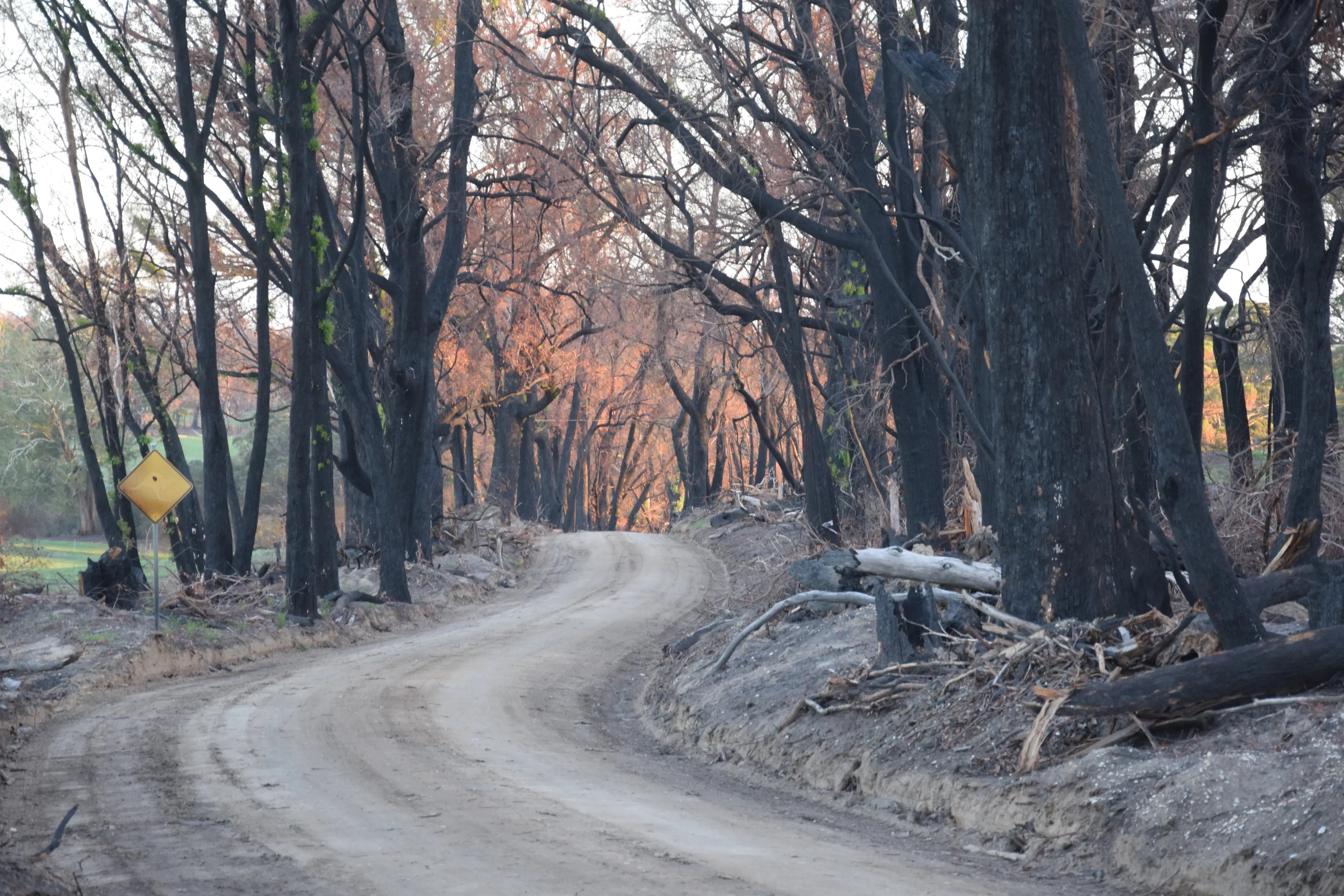
In a move to streamline support following the devastating January 2026 bushfires, Mansfield Shire Council has joined forces with three neighbouring municipalities to ensure no resident is left behind by "lines on a map". The Mansfield, Murrindindi, Strathbogie and Mitchell Shire Councils have officially entered into a Memorandum of Understanding (MoU) with the partnership formalising a collective approach to relief, recovery, and advocacy, acknowledging that the path to rebuilding will be measured in years, not months. The agreement stems from the reality that the impacts of the January fires did not stop at municipal borders, and nor too should recovery efforts. Residents across the four shires often live in one council area while working or accessing services in another. Mansfield Shire Mayor Cr Steve Rabie said the move was a natural progression for the region. “I’m pleased Mansfield Shire Council has entered into the Memorandum of Understanding with our surrounding shires," Cr Rabie said. "We’re already working together on joint advocacy priorities; this MoU just recognises that fact and firms things up.” Cr Rabie emphasised that while each shire felt the fire's heat differently, the hurdles remains the same. “While the four fire-impacted shires have been impacted to varying degrees, we’re all facing the same challenges in our recovery efforts and our communities have the same needs,” he said. “Our four distinct voices speaking as one will help us communicate the need for recovery support and funding for our communities more effectively.” A primary goal of the MoU is to reduce the "recovery burden" on residents. By sharing data and staff, the councils have already completed more than 1,800 Secondary Impact Assessments, a move that prevented impacted locals from having to retell their stories to multiple agencies, reducing duplication and delays. Strathbogie Shire Council CEO Rachelle Quattrocchi highlighted that the partnership is about removing these practical barriers to rebuilding. “The fires didn’t stop at council boundaries, and neither should the recovery," Ms Quattrocchi said. “Recovery in rural communities takes time. “It’s not just about rebuilding infrastructure, it’s about helping people rebuild their homes, their livelihoods and their sense of stability. "Many of the barriers are practical ones like planning approvals, infrastructure capacity and rebuilding costs, and removing those barriers will help communities recover sooner.” The partnership outlines five shared priorities, with councils planning and partnering for sustained support over the long haul. Community wellbeing and mental health support along with coordinated access to recovery services and the restoration of local infrastructure and community assets have all been identified as priorities. Economic support for primary industries and small business and joint advocacy to State and Commonwealth Governments have also made it onto the list. Mitchell Shire Council CEO Mary Agostino noted that this collaboration is already hitting the ground through initiatives like joint community dinners at Highlands (to share recovery information and connect residents with support) and weekly joint communications planning with Murrindindi Shire. The shire is also providing hands-on support with BlazeAid deployment. “Alongside this regional collaboration, we’re developing an 18-month Fire Recovery Action Plan focused on wellbeing, Aboriginal culture and healing, local economies, our environment and essential infrastructure," she said. “Mitchell Shire’s priority is delivering practical, coordinated recovery support for our communities." In Murrindindi, where the fires destroyed almost 200 homes and significantly disrupted farms and businesses, CEO Livia Bonazzi said the human element remains the core focus. “Our focus is on supporting people through recovery, helping families and farmers rebuild with dignity, and ensuring the whole community can move forward together, even if the path ahead looks different to what it once was,” Ms Bonazzi said. Beyond the immediate clean-up, the MoU also acts as a powerful tool for joint advocacy. The councils believe a united regional voice is more likely to secure the significant funding required for long-term infrastructure repair and economic renewal. While developed in response to the fires, the MoU builds on existing collaboration across the Hume region generating greater strategic weight. As the region moves from the relief phase into the long haul of reconstruction, the four councils have committed to a "human-centred" philosophy—listening to what people need and responding with consistent information and coordinated support regardless of which Local Government Area the community resides in.