WHEN what was then called New Parliament House opened in 1988 amid controversy over its design and blowout cost, a simple design flaw became almost immediately obvious:

Bogong moths LOVE light. And they can crawl through the tiniest of gaps.

The House was built smack-bang in the middle of their migratory route from the plains of Queensland and New South Wales to the Victorian High Country.

“They formed a huge dark shimmering mass,” recalls former radio journalist and ministerial adviser Stephen Spencer.

“Clinging to the corners of the walls, and moving with the sun.

“The corridors were filled with them, and cleaners roamed the building with vacuum cleaners hoovering them off the walls and ceilings.

“TV reporters had to bat them away during live crosses.”

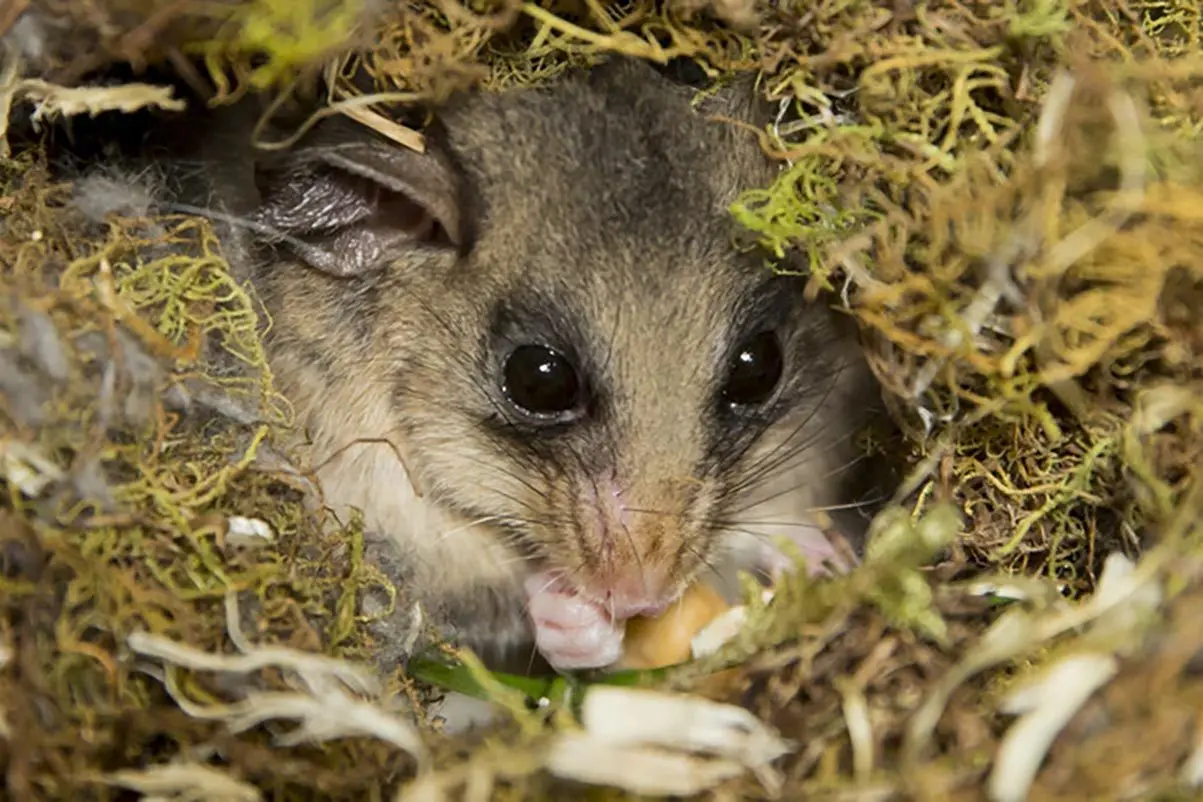
What was an expensive and annoying pest then could now turn out to be the savior of endangered Alpine possums, according to the Victorian Government.

“We hope this year’s numbers will be big enough to boost the numbers of Mountain Pygmy possums I the Alps,” Alpine Resorts Victoria’s Head of Environmental Sustainability, Louise Perrin, said.

“The moths start arriving in September, just as the little possums are waking from their hibernation under the snow.

“The moths fly into the Mountain Pygmy possum habitat, rock boulderfields and the Alps.

“It’s like home-delivered pizza.

“But) drought, climate change and man-made lights have impacted moth numbers.”

But not enough moths are arriving this season.

Although the possums snack on other invertebrates, the Bogongs provide a unique source of “something akin to pre-pregnancy vitamins”.

Baby possums are dying without the nutrients the moths provide.

“We need as many Bogongs as we can to get from Queensland to the Victorian Alps,” Ms Perrin said.

Mountain Pygmy possums were actually thought to be extinct until they were-rediscovered in the 1960s on Mt Hotham.

Scientists say there are fewer than 200 left.

Numbers fell almost 99.5 percent in the months before they were added to the International Union for the Conservation of Nature’s list of 42,100 endangered species in 2021.

The possums are unique – they are the only Australian marsupials that hibernate, sleeping up to seven months a year.

What needs to be done to protect the remaining possums?

The answer, Ms Perrin says, exactly the same thing that worked with Parliament House 35 years ago: turn the lights off.

The government hopes its “Lights off for Moths” campaign can get as many moths as possible to the Victorian Alps and into the mouths of hungry baby possums.

“The moths’ little navigation system goes skewiff with the light pollution on the eastern seaboard,” she said.

“We really need people to understand that these are direct but critical impacts.

“Even though you may live away from the possums, it’s still a good idea to turn off those blaring lights.”