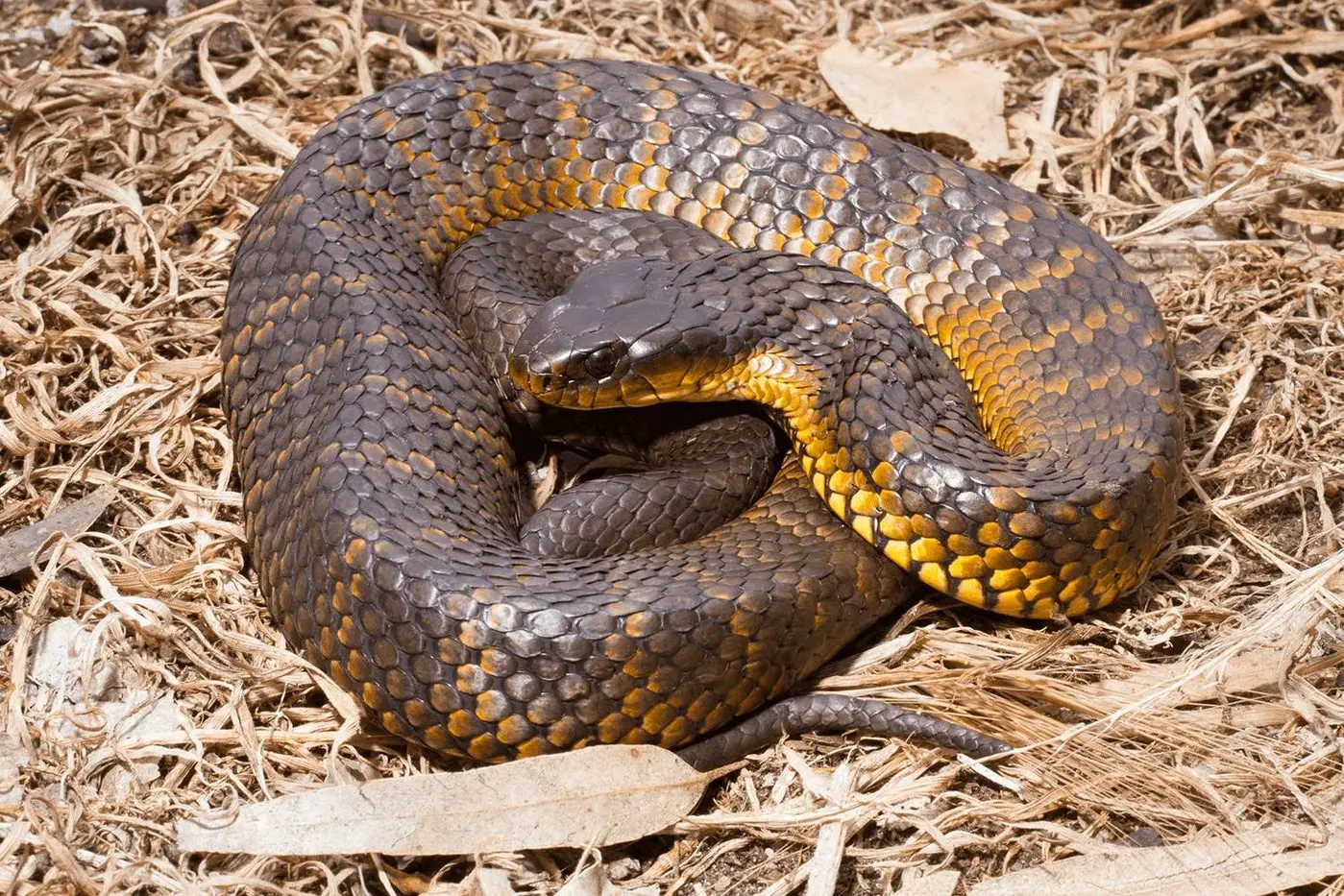
WARMER spring temperatures are seeing more snakes emerge locally from a period of reduced activity during winter seeking food and mates. Abby Smith, senior wildlife projects officer from the Department of Energy, Environment and Climate Action (DEECA), said snakes may be more visible during the warmer months, but it's important to remember that they will generally avoid people. She said most snake bites occur when people try to capture or kill the reptiles. “Snakes may defend themselves if they feel threatened, it's best to leave them alone and keep dogs on leads when out walking,” Ms Smith said. “Supervise pets and children closely in areas where snakes are known to occur. “Talk to kids about snake safety; what to wear, staying on the path and not putting your hands in long grass, under rocks or tin.” Darren Frankland, from North East Snake Catching, said if you see a snake, leave it alone, keep a good eye on it and call a snake catcher if you want it removed. "If you are in close proximity to a snake and it is showing signs of defensiveness, stand still and allow the snake to move," he said. "If in doubt, call a professional." Mr Frankland said the most common snakes in the Wangaratta area are red-bellied black snakes, eastern brown snakes and tiger snakes and they are most active from the end of August until the second or third frost in May. "It's highly unnecessary to kill snakes as they are an important part of the ecosystem and if people kill them all, they are going to be whineging about all the mice and rats around," he said. Snakes are protected under the Wildlife Act 1975, and capturing, harming, or killing them is illegal, you can report wildlife crime to Crime Stoppers Victoria on 1800 333 000. For more information contact DEECA on 136 186. For essential snake bite first aid information, visit www.stjohnvic.com.au/news/snake-bite-first-aid-tips/.