
PHOTO
68190.0
Senior staff from the leading state integrity agencies, the Independent Broad-based Anti-corruption Commission (IBAC), Victorian Ombudsman and Local Government Inspectorate (LGI), visited the Mansfield area last week to speak at a regional forum for councillors and local government employees about managing the risk of corruption and other important governance issues.
According to IBAC, councillors and council officers must actively prevent, detect and report corruption, fraud and misconduct.
The free in-person forum was an opportunity for attendees to equip themselves with the knowledge to identify, prevent and manage integrity risks, and learn where to get further advice and support.
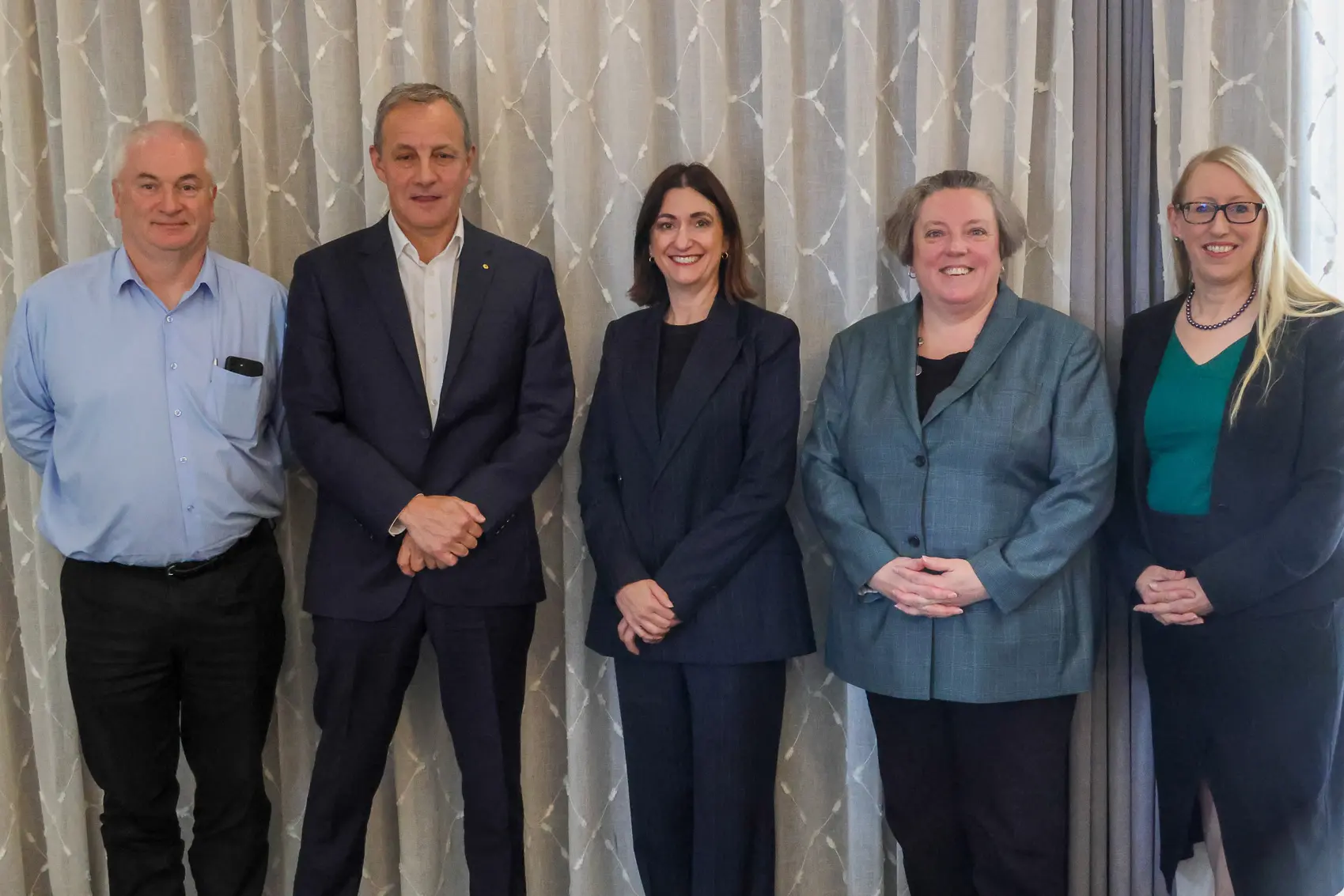
On the panel were IBAC Deputy Commissioner Colleen Bell, LGI Chief Municipal Inspector Michael Stefanovic, LGI Manager Investigations David Walker and Victorian Ombudsman Deputy Ombudsman Corporate Kerryn Ellis.
Hosted by Mansfield Shire Council at the Sebel Pinnacle Valley, the half-day session was attended by representatives from Wangaratta, Benalla, Indigo, Wodonga, Yarra Ranges and Alpine councils.
Mansfield councillors in attendance were Mayor Steve Rabie, Mandy Treasure and Bonnie Clark.
Unfortunately, due to the ongoing impact of the recent Longwood fires, representatives from Murrindindi Shire were unable to attend.
Mansfield Shire Council chief executive officer Kirsten Alexander said it was a privilege to meet with the integrity agencies and discuss how the information shared would benefit local communities.
The focus of the presentations was on the unique corruption risks faced by smaller councils, including managing conflicts of interest, misuse of information and resources, improper influence and vulnerabilities in procurement.
The presentations were followed by general discussion and Q&A sessions.
IBAC's Ms Bell spoke of "robust and transparent decision making" and being able to "listen to alternative viewpoints" as important aspects of local government.
As an independent agency, IBAC receives complaints about suspected corruption and misconduct, including allegations of bribery, fraud, theft and the misuse of information across a range of public sector organisations, including local government.
"We determine if a complaint is in the public interest," she said.
IBAC investigates matters based on available evidence, refers complaints to the appropriate agency where necessary, or dismisses them if there is insufficient evidence.
According to Ms Bell, there is a broad "spectrum of behaviours" identified by IBAC when assessing whether individuals are using their position responsibly.
This can range from misadministration, which can be due to incompetence and mistakes; to misconduct, which is much more intentional; and corruption, which involves dishonesty, data and information security breaches, conflicts of interest and receiving gifts.
The LGI assesses and investigates complaints about potential breaches of the Act by councils, councillors and staff, including conflicts of interest, misuse of position, disclosure of confidential information, directing council staff and electoral offences.
Mr Stefanovic and Mr Walker outlined examples of such behaviours and when a municipal monitor may be required to administer a local government area.
An added risk in the lead-up to council elections is the "weaponisation of complaints", which "has been around" for ages, according to the LGI.
"You are all under the microscope," Mr Stefanovic said, stressing the importance of documenting everything.
Victorian Ombudsman's Ms Ellis provided an overview of her organisation, which was established in Victoria in 1973 to "redress the imbalance of power between the individual and the state".
"We have broad and wide-ranging powers with oversight of 1000 agencies in Victoria, with the major one being local government areas," she said.
As a former council CEO in Gippsland, Ms Ellis said she was well aware of the potential risks faced by councillors and staff.
Her current role, which includes investigative work, bringing concerns to Parliament and dealing with media attention, also involves "a lot of other work behind the scenes".
The Ombudsman's office receives between 18,000 and 21,000 complaints each year.
Complaints against local government are usually about dissatisfaction with decision-making, conflicts of interest and corruption, Ms Ellis said.
An important role for the organisation is education and community engagement to ensure human rights are upheld and the public sector remains open and transparent.
Councils provide "cradle-to-grave services" and people regularly interact with these services throughout their lives.
"It is not a surprise that these services are well represented in reports," Ms Ellis said.
Generally speaking, every council is required to have a complaints policy and people are urged to use council processes first to resolve issues, she said.
Despite the challenges faced by councils in an era where trust in public institutions has diminished across the globe, the forum was positive, with attendees equipped with resources to assist them in their roles.