
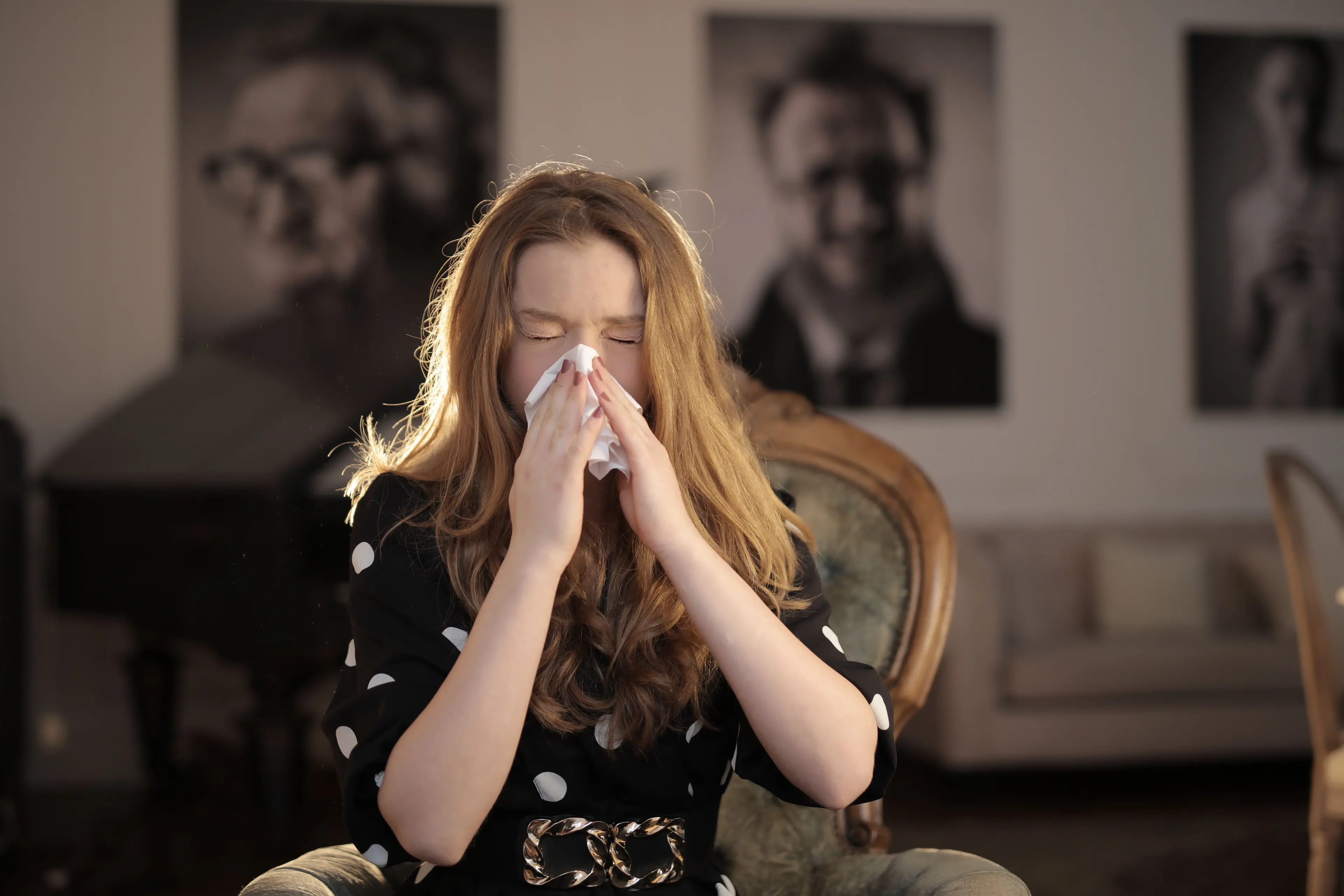
PHOTO

As winter gives way to spring across Mansfield and the High Country, Victorians are already turning to Google for answers about one of the season's less welcome arrivals.
Google Trends data shows searches for "hay fever" and "allergic rhinitis" begin to rise across Australia from the start of August, before reaching their annual peak around the middle of October.
Victoria leads the country when it comes to search interest in the terms, putting the state firmly at the centre of Australia's annual battle with itchy eyes, blocked noses and sneezing.
And people are not simply searching for the condition itself.
Google Trends data from the past 12 months shows searches for questions including "Is hay fever genetic?" and "When does hay fever season end?" have increased by 500 per cent.
Over the past five years, searches for "how to stop hay fever immediately" have jumped 650 per cent, while interest in "new antihistamine Australia" has risen 300 per cent during 2026.
The searches are likely to become increasingly familiar as spring develops across Mansfield and North East Victoria.
The Australian Institute of Health and Welfare says allergic rhinitis, commonly known as hay fever, affected an estimated 6.1 million Australians in 2022, or almost one in four people.
That was up from 19 per cent of Australians in 2017-18 and 16 per cent in 2001.
While hay fever can be triggered by a range of allergens throughout the year, pollen from grasses, trees and weeds is one of the major seasonal causes.
For Mansfield and the High Country, the coming weeks also mark the approach of Victoria's official grass pollen and epidemic thunderstorm asthma monitoring season.
Victoria's epidemic thunderstorm asthma forecasting system operates from October 1 until December 31 each year, combining grass pollen forecasts with weather conditions which can increase the risk of an event.
Wodonga is also home to one of the state's automated pollen counters used to help verify and improve forecasts.
More than 20 years of pollen data in Victoria shows the highest grass pollen levels generally begin around mid-October and can continue through December.
Grass pollen is considered the most common cause of spring hay fever in Victoria, while rye grass pollen has also been closely associated with epidemic thunderstorm asthma events.
The timing closely mirrors what Victorians are typing into Google.
Search interest begins building before the official grass pollen season starts, before reaching its peak at about the same time pollen levels traditionally begin climbing sharply.
For people spending plenty of time outdoors, whether working on farms, gardening, walking, cycling or enjoying the High Country, the Victorian Department of Health recommends keeping track of pollen levels and forecasts.
People with asthma, a history of asthma or spring hay fever can also be at increased risk of thunderstorm asthma.
After months of Victorians searching for snow forecasts and winter conditions, it appears spring is bringing a very different weather-related question to the top of the search bar.
And if the past five years are anything to go by, plenty more Victorians will be asking Google how to stop sneezing before the season is over.
This content is part of a paid partnership with Google to promote Google Trends. It uses Google Trends data to explore search interest in hay fever and allergic rhinitis. Google Trends data is aggregated and anonymous. Search interest is measured on a relative scale and does not represent total search volume.