
PHOTO
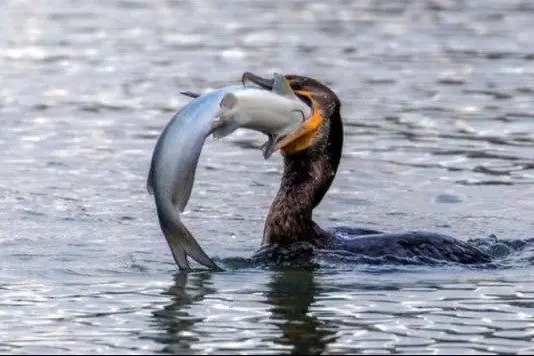
IN recent years, anglers and conservationists have raised concerns about the increasing population of cormorant birds and their impact on trout populations in the rivers surrounding Lake Eildon.
Cormorants are highly efficient fish predators, with their sharp beaks and incredible diving ability allowing them to hunt fish in both shallow and deeper waters.
The rising numbers of these birds have sparked debates among the fishing community regarding the balance between maintaining native bird species and protecting valuable trout populations.
Cormorants feed heavily on small and medium-sized fish, which puts pressure on juvenile trout stocks.
As young trout are more vulnerable to predation, their numbers can be significantly reduced before they reach maturity.
This reduction in juvenile trout survival is a growing concern, as it directly affects the sustainability of the trout fishery in rivers like the Goulburn, Delatite, and Howqua, all key fishing spots near Lake Eildon.
There has been some speculation that cormorants are contributing to a noticeable decline in trout catch rates, especially during the warmer months when both birds and fish are more active.
Trout stocking programs, which are crucial to maintaining healthy populations, may struggle to keep up with the predation rates from cormorants.
Additionally, the birds' concentrated feeding near areas where fish are released after stocking can reduce the effectiveness of these programs.
Anglers have reported seeing large flocks of cormorants around Lake Eildon’s tributaries, which has led to concerns about the long-term impact on the ecosystem.
While cormorants are protected under wildlife laws, discussions have begun about managing their populations in areas where they pose a significant threat to recreational fisheries.
Despite the challenges, dedicated trout anglers remain hopeful that with careful management, both trout populations and bird species can coexist.
Continued monitoring of fish stocks, habitat health, and predation patterns will be essential in finding a balanced solution that supports the fishing community and the surrounding wildlife.