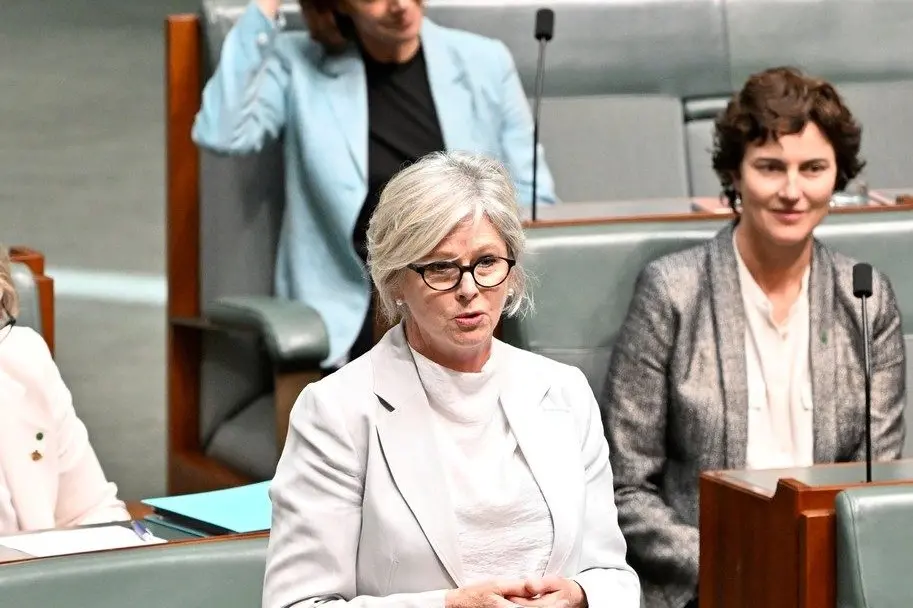
INDEPENDENT Federal Member for Indi Helen Haines voted in support of the Fair Work Legislation Amendment (Secure Jobs, Better Pay) Bill last week.

The bill returned to the House of Representatives following Senate amendments after Dr Haines initially voted against the legislation, which she said was because of the Government's rushed process to ensure the bill was passed before the end of the year.

In a speech to the House of Representatives in early November, Dr Haines expressed her support for increasing wages and closing the gender pay gap.

"Workers in my electorate need a wage rise," said Dr Haines.

"We are in the bottom third of electorates for wages.

"The median weekly income in Indi is $736 compared to an Australian average of $805 per week.

"I want wages to increase, particularly for women; I want more people working; and I want our businesses to succeed."

But Dr Haines said the way in which the Government had moved to rush through important, complex legislation without time to be properly scrutinised, and before a Senate committee inquiring into the Bill had reported back, meant she couldn't vote in favour of it at the time.

"The job of a conscientious legislator is to do that scrutiny, to understand what questions need to be asked to safeguard for unintended consequences," she said.

"In my mind, the speed at which the government has progressed this bill does not do justice to the very serious intent of the problem this legislation is seeking to solve."

Following a Senate Committee inquiry into the bill and further amendments from the Government and the crossbench in the Senate, Dr Haines supported the bill when it returned to the House of Representatives last week.

"I strongly support the objectives of the bill to increase wages, particularly for low–paid sectors like childcare, and to close the gender pay gap," she said.

"I am pleased the Government has addressed concerns about the impact this bill will have on small business.

"This was a significant concern of many people I spoke to."

Amendments to the final bill passed in Parliament include increasing the definition of a small business employer to a business with 20 employees or fewer.

Businesses with 50 employees or fewer will also be able to argue they are not 'reasonably comparable' to other businesses and therefore not compelled into the single interest bargaining stream.

Upon announcement of the newly passed legislation, the Federal Government stated that the new laws intend to correct a number of areas, including:

• Reform of the Better Off Overall Test so it's simple, flexible and fair

• Putting the gender pay equity at the heart of the Fair Work Act

• Banning pay secrecy clauses

• Expand access to flexible rostering arrangements

• Limit the use of fixed term contracts

• Ban job ads that advertise below minimum rates of pay

• Terminate WorkChoices "zombie" agreements

• Give the Fair Work Commission more powers to arbitrate industrial disputes

• Abolish politicised anti–worker organisations

There will also be a two year review period for the bill to monitor how the legislation is working.