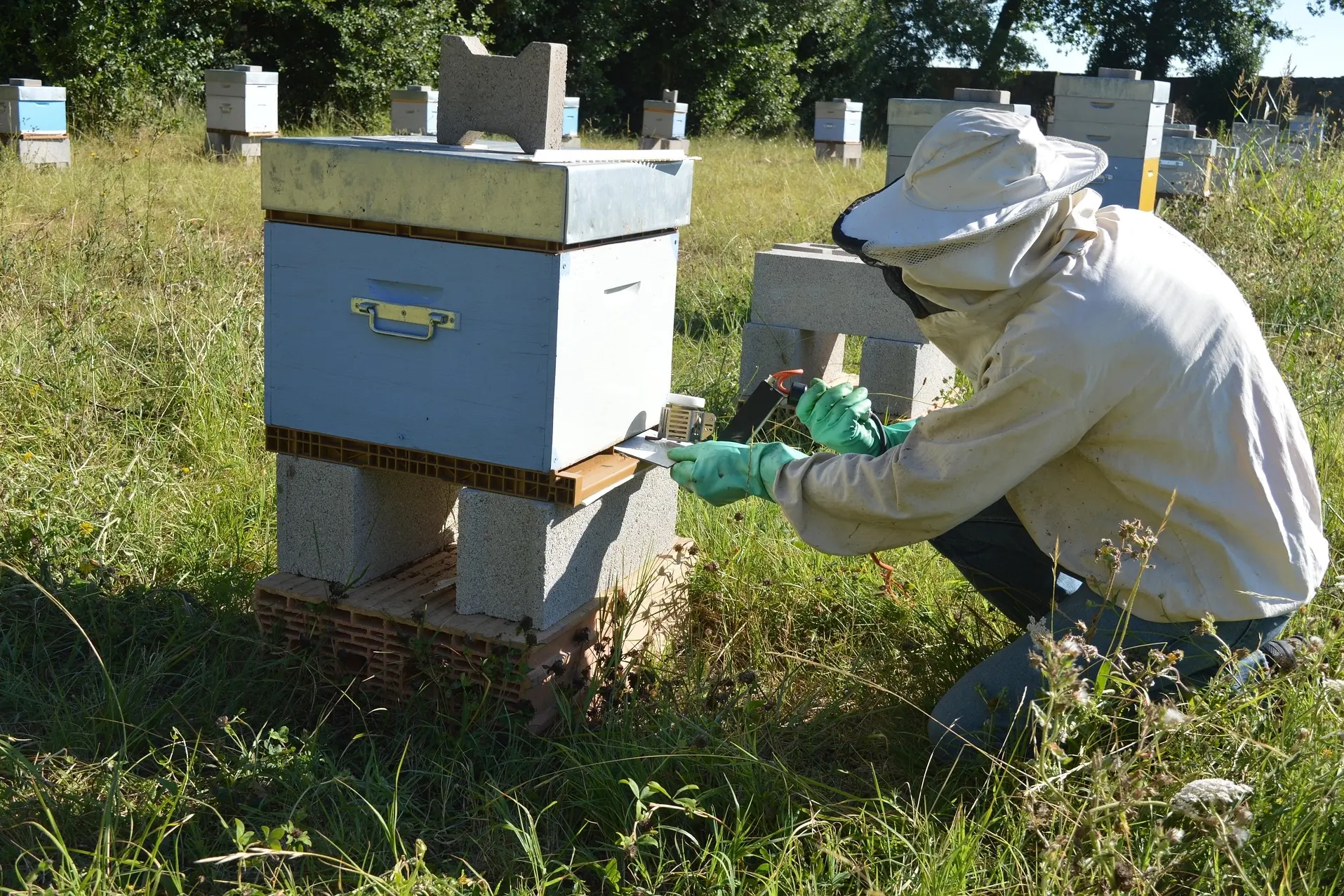
Testing at an apiary in north east Victoria has confirmed Varroa mites resistant to pyrethroid miticides. The resistant mites most likely entered Victoria in hives moved from interstate last year and later sold to a Victorian beekeeper. Executive Director Biosecurity Charlotte Austin said the detection highlights the need for beekeepers to closely monitor treatment results. She urged beekeepers to check mite levels regularly to ensure treatments are working and to rotate miticides from different chemical groups as part of best-practice management. Beekeepers should stay alert and report any products that do not appear to be working as expected Ms Austin added. Earlier in 2026, Varroa mites resistant to pyrethroid and formamidine—both commonly used for mite control—were detected in NSW. The resistant mites found in north-east Victoria are being analysed further, with results expected by the end of the month. Agriculture Victoria is working with beekeepers to provide the tools and knowledge needed to manage Varroa mites effectively. Victoria’s two-year Varroa Transition Program supports best-practice management, with Bee Biosecurity Officers and apiary inspectors available to provide practical advice. “Bee Biosecurity Officers provide practical, hands-on support, including advice on surveillance, treatment options, and treatment planning,” Ms Austin said In 2023, Victoria joined other Australian states, territories and industries in moving from Varroa mite eradication to management, following a National Management Group decision. North East Apiarists Association (NEAA) secretary David Briggs he was unaware of this latest development but not surprised when contacted last week. “We knew there were resistant mites in central Victoria earlier this year and being a migratory industry, it is not surprising that they have turned up in the north east,” he said “The learning curve just got a bit steeper.” While not aware of the exact locations, Mr Briggs said beekeepers across Victoria need to be vigilant and monitor the effectiveness of the treatments they are using. “The situation we are now facing has not been experienced in other countries with a significant beekeeping industry,” he said. “We are in the early re-infestation phase of a varroa incursion with mites that are now resistant to the main synthetic mite treatments. “This is an unstable time where large numbers of mites can suddenly re-infest hives well above levels of natural mite population growth putting a lot of stress on the colony and the beekeeper,” Mr Briggs explained. “This will become a very difficult to manage scenario until we can become well experienced in using mechanical control methods and organic acid treatments. “Mites from the initial varroa incursion were not resistant to synthetic miticides and our systems for supplying and approving mite treatments favoured synthetic chemicals. “Australia has been slow to develop the knowledge, skills and protocols to enable effective organic acid use, but that said, Victoria is now leading the way through AgVic working proactively with industry through the VAA to find a way forward. “Organic acids like Oxalic and Formic acid can be applied effectively to control mites but are much more variable and responsive to hive and environmental conditions. “Beekeepers need time to develop the understanding and skills to use them effectively." Asked if there are any positives for the industry, Mr Briggs believed “next season has many good prospects for bees, so importantly, nutrition should not be a problem.” “There is no escaping this will be a very stressful season, but we are all in the same boat and beekeepers are showing a strong will to share information and experiences and to help one and other when needed,” he concluded. More information is available on Agriculture Victoria’s Varroa mite current situation page and the Australian Honey Bee Industry Council website.