
PHOTO
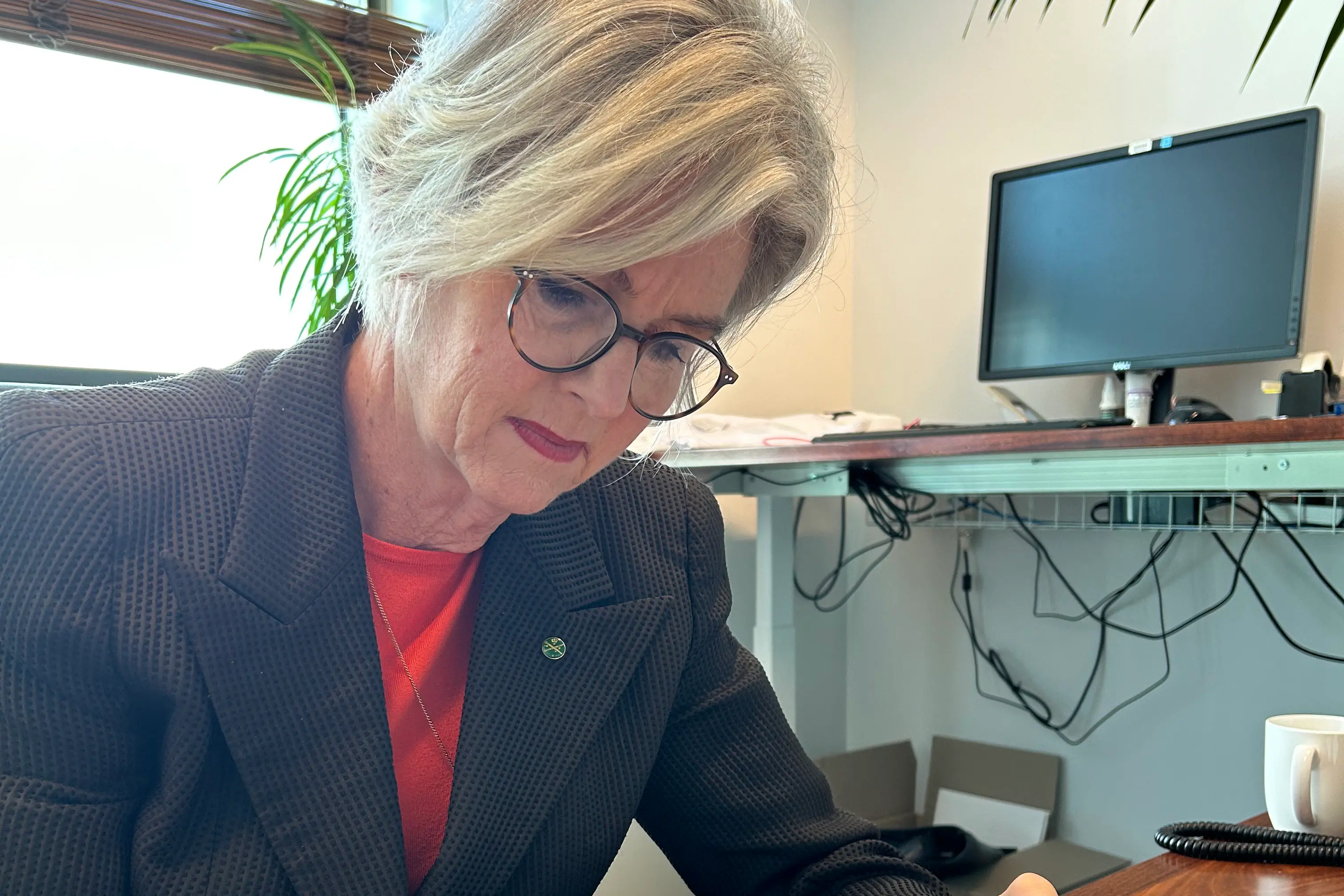
Indi Independent MP Helen Haines has welcomed "meaningful tax reforms" in the 2026-27 Federal Budget released on Tuesday night that is expected to make 75,000 homes available for homeowners.
A shift in capital gains tax to purchases of only newly built investment properties and 30 per cent minimum tax rate will be imposed on profits from assets and family trusts.
These have historically been tax incentives used by property investors to maximise profits.
“These capital gains tax and negative gearing reforms are substantive changes that will help younger Australian enter the housing market, and I congratulate the government on taking a bold decision,” Dr Haines said.
She said the budget delivers on some of her key priorities, but still falls short on delivering for the basic needs and long-term prosperity of regional Australia.
A centrepiece of housing investment in the 2026 Federal Budget includes a $2 billion Local Infrastructure Fund to build enabling infrastructure, with a guarantee that 25 per cent of funding will go to regional Australia - an initiative led by Dr Haines and announced by the government over the weekend.
“Land isn’t the handbrake on housing supply in the regions - it’s the critical enabling infrastructure – the pipes, power and roads – that unlock more supply,” she said.
“I’m very pleased to see this commitment in the budget, with treasury forecasting this funding will literally pave the way for tens of thousands of new homes to be built around Australia - this a major win.”
Dr Haines welcomed further funding allocated to the Growing Regions infrastructure program, however, she said the federal government’s fifth budget once again fails to deliver for regional Australia’s long-term future.
“There is no money tree, and the government needed to find savings somewhere, but that should not come at the expense of regional Australians,” she said.
“Every line in this budget was a choice, and this was clearly a restrained budget.
“But while the government has made some welcome reforms, it has yet again fundamentally failed to invest in the communities that power and feed the nation.
“In the regions, we don’t ask for special treatment – just the same opportunities as those in the cities and a fair go.”
Dr Haines said the government left regional Australia wanting, and heavily criticised the government’s Regional Ministerial Budget Statement, saying it could have been a post it note.
She said the government had failed to substantially invest in telecommunications and targeted regional health.
“These are basic services that city people take for granted, while we battle for connectivity, drive on dangerous roads and have poorer health outcomes," she said.
“Regional Australians are too often last to get, and the first to lose, and the federal government has not done enough to address pain and frustration rural and regional people are feeling.”
Though the government committed funding to the Growing Regions Program to fund community infrastructure projects, the Regional Precincts and Partnerships Program, which funded projects such as the $7.7 million for the Mansfield Station Precinct, was not extended with it set expire next year.
Dr Haines said the Government’s decision not to tax Australia’s gas exports was a missed opportunity to boost Australia's revenue and invest in the regions.
“A key pillar of this budget is intergenerational equity," she said.
"We need to see this same ambition applied to regional Australia.”