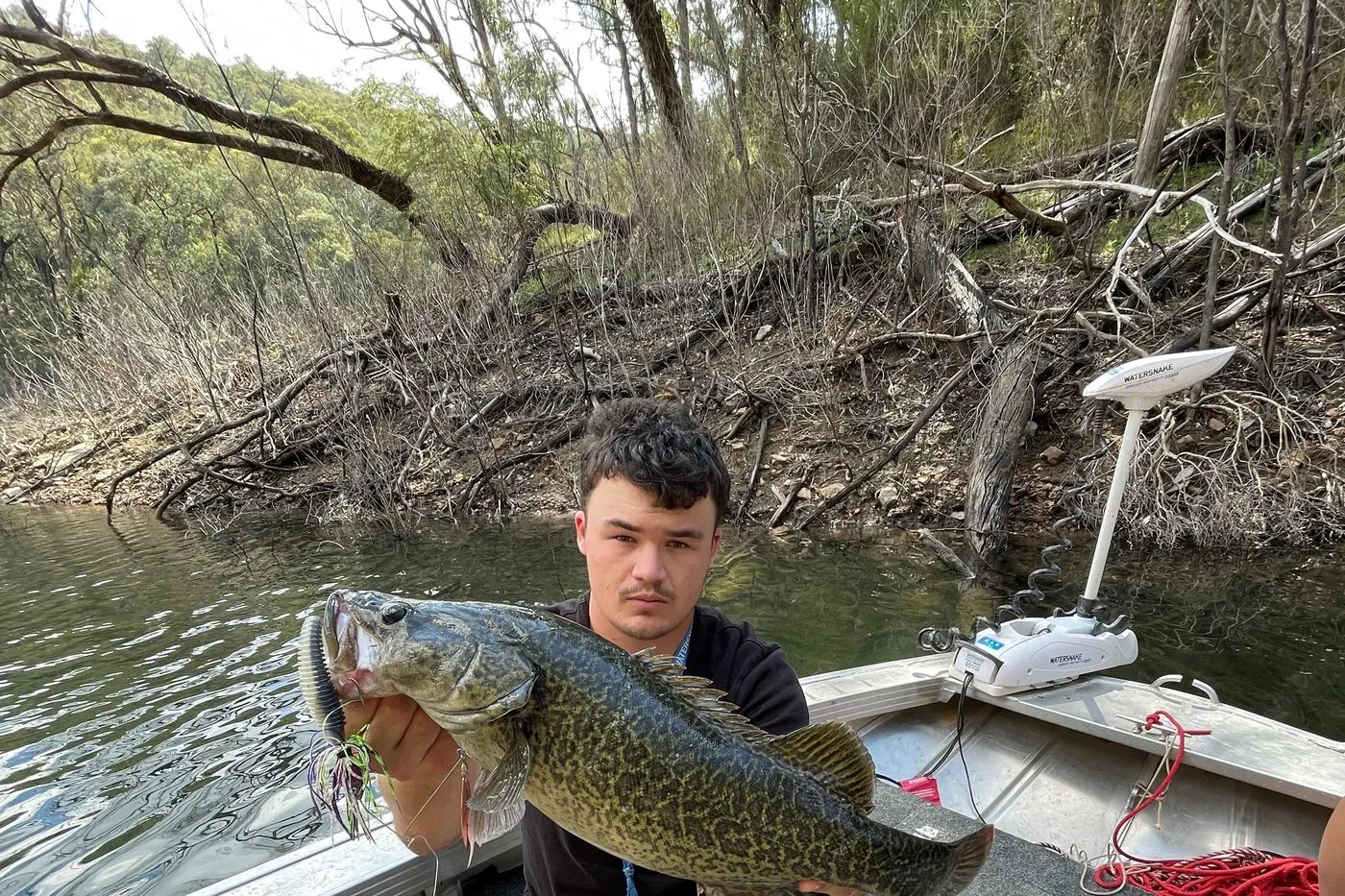
LAKE Eildon and its surrounding rivers—such as the Goulburn, Delatite, and Jamieson—have long been prime destinations for anglers seeking a variety of fish species, including Murray cod, golden yellow belly, trout, and redfin.

As we look ahead, the future of fishing in this region will be shaped by several key factors, including water levels, climate change, stocking programs, and fishing regulations.

Water Levels and Environmental Conditions

Water levels in Lake Eildon fluctuate based on rainfall, irrigation demands, and inflows from the Goulburn River system. Recent years have seen relatively stable water levels, benefiting both native and introduced fish populations.

However, long-term climate projections indicate the potential for drier conditions, which could impact fish habitats.

Maintaining healthy inflows from the Goulburn River and managing irrigation demands will be critical in ensuring sustainable fish stocks.

Surrounding rivers, particularly the Goulburn, remain highly dependent on controlled water releases from Eildon Weir.

These releases not only support trout fisheries downstream but also affect native fish movement and spawning.

Conservation efforts aimed at balancing water use with ecological needs will play a significant role in the future of fishing.

Fish Stocking and Sustainability

One of the most promising aspects of fishing in Lake Eildon and nearby waterways is the continued investment in fish stocking programs.

The Victorian Fisheries Authority (VFA) has been actively releasing Murray cod, golden perch, and trout into the system to support recreational fishing.

Lake Eildon, in particular, has been a success story for stocked Murray cod, with trophy-sized fish regularly being caught.

Stocking efforts in surrounding rivers, such as the Goulburn and Delatite, also ensure that trout populations remain strong despite seasonal variations in water temperature.

The push for native fish conservation, including habitat restoration and breeding programs, will likely continue to enhance angling opportunities.

Climate and Seasonal Impacts

The impact of climate change on fish populations cannot be ignored.

Rising temperatures and altered rainfall patterns could affect fish breeding cycles and water quality.

Trout fishing, especially in the Goulburn River, may become more reliant on cooler water releases during summer to maintain suitable conditions.

On the other hand, warmer temperatures could further support native species like Murray cod and yellow belly, making Lake Eildon an even better fishery for these species in the coming years.

Fishing Regulations and Angler Responsibility

The future of fishing in Lake Eildon and its rivers will also depend on responsible angling practices.

Continued enforcement of size and bag limits, as well as seasonal closures for species like Murray cod, will help maintain healthy fish populations.

Education around catch-and-release techniques and minimising fish stress, particularly in summer, will be essential.

Lake Eildon and its surrounding rivers remain some of Victoria’s best fishing destinations.

While challenges such as climate change and water management persist, strong fish stocking programs, habitat conservation, and responsible angling practices point to a promising future.

Anglers who respect regulations and contribute to conservation efforts will help ensure that fishing in this iconic region remains productive for generations to come.