
PHOTO
*Copy_Inquiry Report 01_Image001_74615
It has been a significant week for locals still working and recovering from Victoria’s devastating summer bushfires, with a major parliamentary report handed down, the state’s dedicated disaster recovery ministry abolished and the CFA’s Chief Officer announcing his departure.
The fires burnt more than 440,000 hectares across Victoria, destroyed 451 homes and more than 1100 outbuildings and killed more than 45,000 livestock.
Seven months on, many communities remain in the long process of rebuilding homes, farms, businesses and livelihoods.
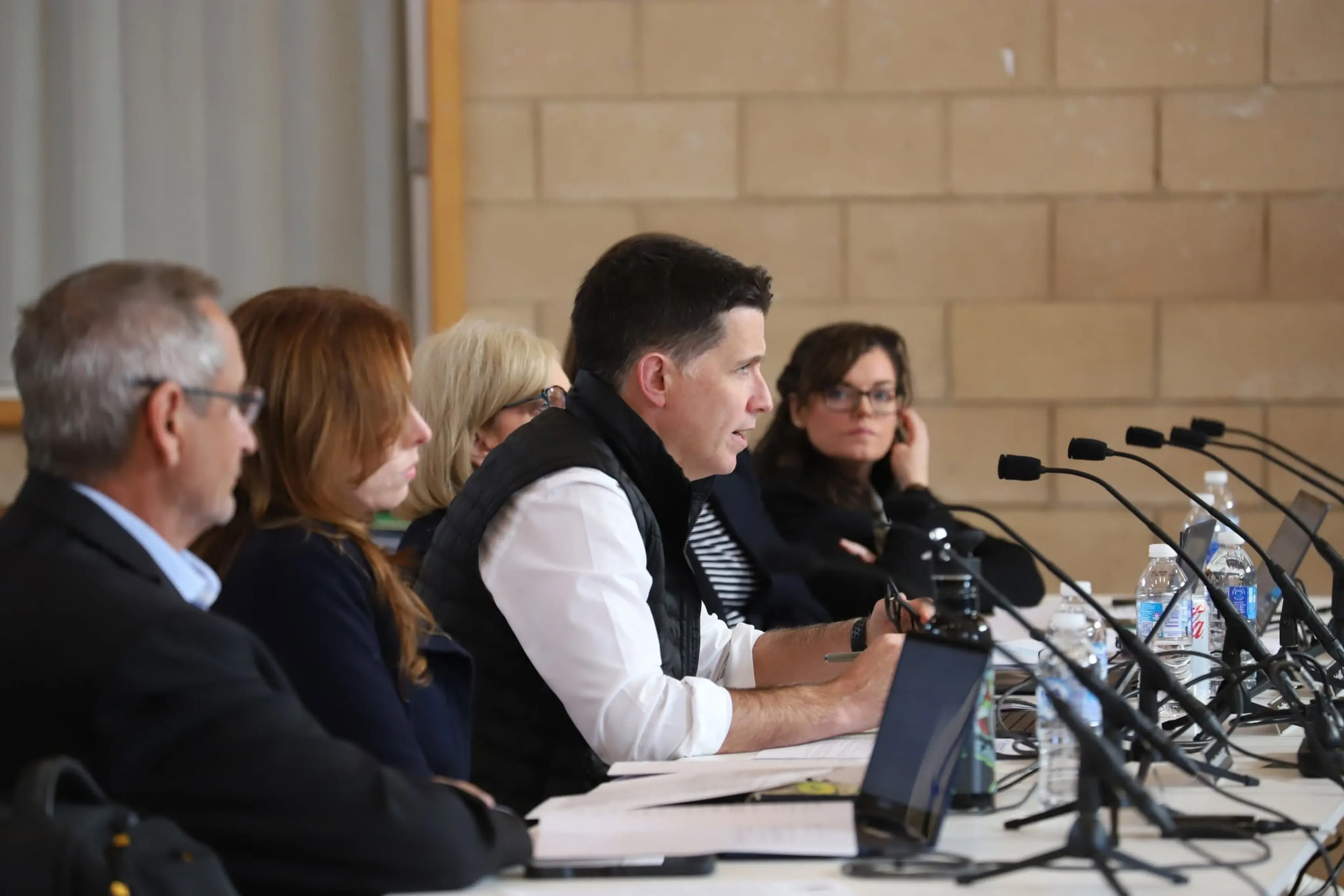
The newly arrived Victorian Parliament’s inquiry into the 2026 summer fires delivered 80 recommendations, identifying shortcomings across emergency communications, volunteer recruitment, infrastructure resilience, recovery support and bushfire preparedness.
It raised concerns including declining CFA volunteer numbers, ageing firefighting vehicles, workforce shortages, fuel management and delays in bushfire recovery.
Many of its findings closely mirrored concerns raised months earlier by the Longwood CFA Brigade.
In its detailed submission to the parliamentary inquiry, the brigade highlighted communication failures, training barriers, command-and-control shortcomings and pressures on the volunteer workforce.
But only days after the report was tabled, another decision raised questions about how the state’s ongoing recovery effort would be managed.
Premier Ben Carroll announced his new ministry on August 4, with the standalone Minister for Natural Disaster Recovery portfolio removed from the government’s list of ministerial responsibilities.
The portfolio had provided a dedicated ministerial point of contact for issues including recovery assistance, clean-up programs, grants and continuing government support following natural disasters.
“It’s a big joke,” said State Member for Eildon Cindy McLeish.
“As our communities continue their long recovery, the Carroll Labor Government has abolished the dedicated Minister for Natural Disaster Recovery.”
The change means there is now no minister carrying Natural Disaster Recovery in the state government.
The developments continued later in the week when CFA announced Chief Officer Jason Heffernan AFSM would step down after almost six years leading the organisation.
He began his emergency services career as a volunteer with the New South Wales Rural Fire Service in 1998 and held a number of senior leadership roles before being appointed CFA Chief Officer in November 2020.
His time at CFA encompassed the implementation of Victoria’s fire services reforms and a number of major fire seasons, including this summer’s devastating fires.
Chief Officer Heffernan said it had been a privilege to lead the organisation and acknowledged the sacrifices made by his family during his time in the position.
“Like the families of so many CFA volunteers, staff and operational leaders, they have made sacrifices that often go unseen but should never go unrecognised,” he said.
CFA Chief Executive Officer Greg Leach AFSM praised Chief Officer Heffernan’s leadership through major fires and his work on preparedness initiatives, new technology and operational programs.
Chief Officer Heffernan will remain with CFA until November while the organisation recruits his replacement ahead of the 2026/27 fire season.
For those still recovering from January, the three developments place renewed questions on both the lessons arising from the summer fires and how Victoria will manage the recovery and prepare for the fire seasons ahead.