
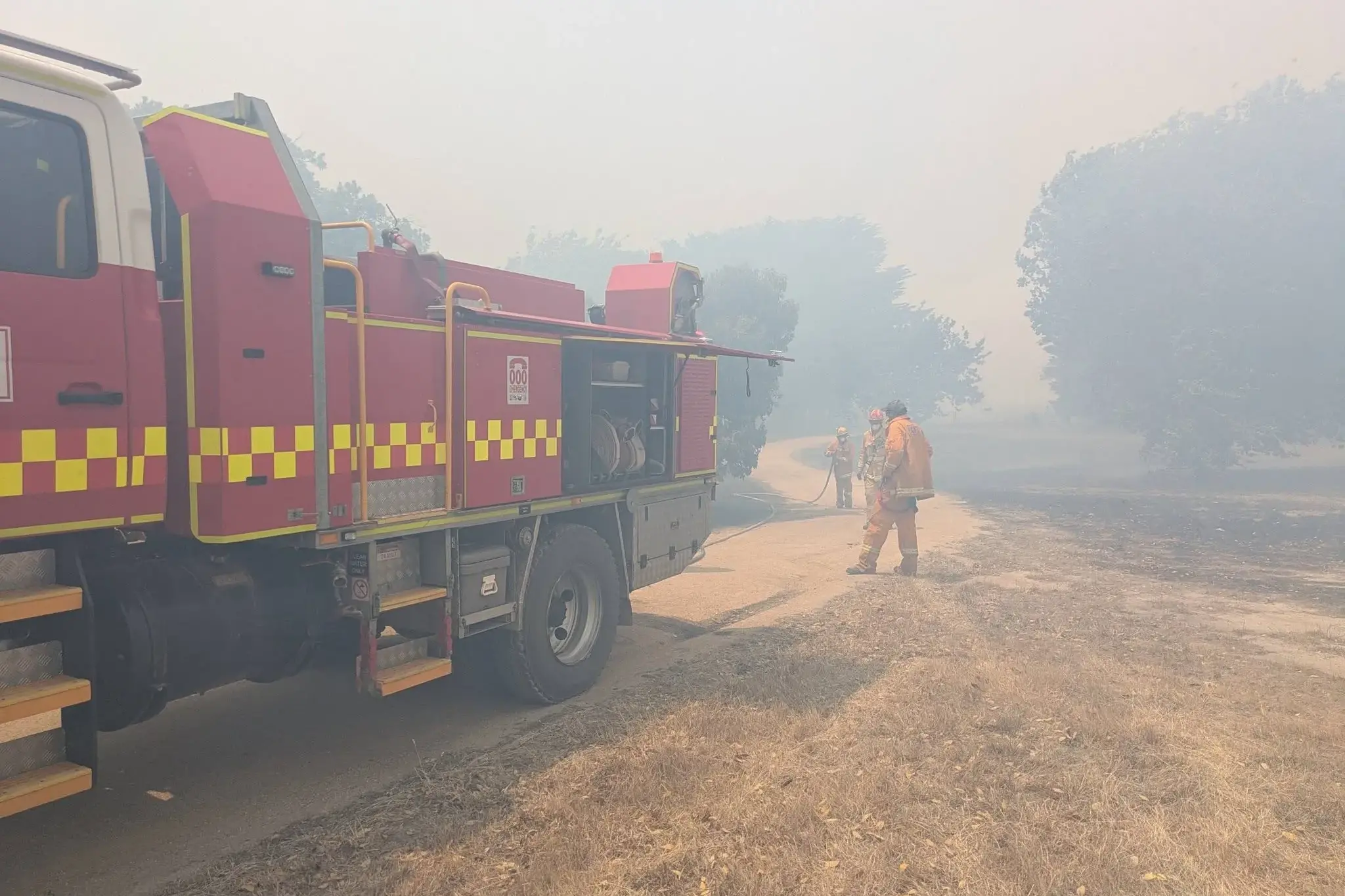
PHOTO
What began as smoke on the horizon quickly became a red alert for local communities last week, as extreme heat and dry conditions drove the Longwood bushfire east toward Mansfield Shire amid worsening fire danger across Victoria.
The first serious warnings were issued on Thursday, 8 January.
Emergency services alerted that a fire burning near Longwood in central Victoria was rapidly growing and posed a risk to rural communities to the south-east and east.
Officials warned that conditions forecast for Friday, 9 January would be the worst the state had seen since the Black Summer fires of 2019–20.
The Longwood blaze was labelled “incredibly dynamic”, capable of spreading in multiple directions under extreme fire danger.
And it did.
On Friday, strong north-westerly winds and intense heat combined to push the blaze south-east toward towns including Merton, Yarck, Molesworth and Alexandra, prompting Emergency Warning orders and “leave now” advice from fire authorities.
As the fire advanced, scores of outbuildings and homes were destroyed.
Emergency services later confirmed that more than 300 structures had been lost statewide and more than 350,000 hectares scorched, with the Longwood fire alone burning an estimated 144,000 hectares and accounting for a significant share of the damage.
Within Mansfield Shire, the threat transformed from distant smoke to imminent danger through Friday afternoon and evening, with fire services reporting spot fires and ember activity along the fringe of forested properties.
Roads in and out of communities such as Merton, Woodfield, Ancona and Bonnie Doon were closed as warnings escalated and residents grappled with decisions about whether to stay or leave, guided by continually updated advice from the Country Fire Authority (CFA) and VicEmergency alerts.
Mansfield Shire Council maintained regular public communication throughout the emergency, with Mayor Steve Rabie providing video updates following briefings and outlining changing conditions, warnings and available support.
Council officers also staffed relief centres, providing respite and food for evacuees and emergency personnel.
Across the shire, community members assisted with livestock movements, offering paddocks, transporting horses and supplying water and feed to properties affected by the fire.
Residents recounted the stark contrast between flames at property edges and the deep orange glow on the horizon, as neighbours shared generators and water pumps and volunteers supported firefighting crews during long, exhausting shifts.
The township of Ruffy, which lay directly in the path of the Longwood fire, was reported to have suffered widespread destruction, with many homes and community buildings lost amid blackened paddocks and collapsed fencing.
The human toll was also felt.
An earlier report of a family of three unaccounted for near Longwood East raised alarm before they were later found safe in Benalla.
However, tragedy was confirmed when police located human remains near Gobur, off Yarck Road, beside a vehicle destroyed in the blaze.
Victoria’s bushfire emergency extended well beyond Longwood.
The Walwa fire in the state’s north-east continued to burn out of control across tens of thousands of hectares, while other major blazes in the Otways and the Mallee added to the strain on emergency services statewide, all fanned by the same heatwave and volatile wind conditions.
By Sunday afternoon, a cooler southerly wind change brought some relief, with the Longwood fire downgraded to Watch and Act and the red alert that had gripped the region easing to orange.
Across Mansfield Shire, it marked a brief collective exhale after days of tension and uncertainty.
Fire authorities cautioned, however, that the danger had not passed, with firefighters continuing to work around the clock on spot fires, containment lines and extensive blacking-out operations across the fireground.