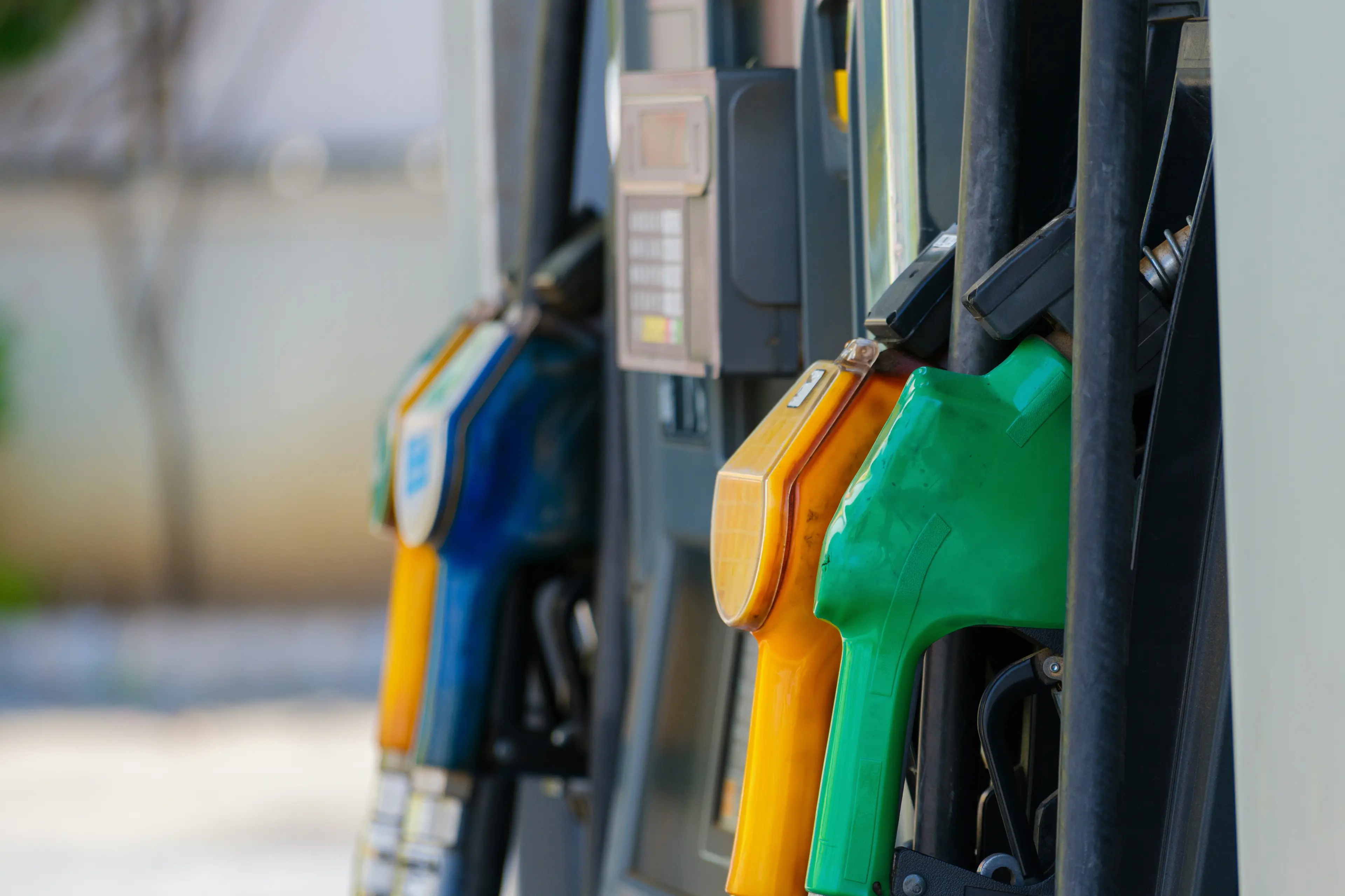
The Mansfield community is facing a double-edged sword at the bowser this week as local fuel prices skyrocket while supply levels plummet, leaving several service stations across the state completely out of stock, generating concern within the shire. Last Friday, prices for Unleaded (ULP91) and Diesel at Mansfield’s BP and Ampol hit 232.9 and 262.9 respectively. The weekend brought no relief, with Saturday and Sunday seeing a price rise, before spiking at 238.9 for Unleaded (ULP91) and 263.9 for Diesel on Monday hitting the back pockets of residents starting off their working week. While Mansfield motorists felt the pinch, Metro Bonnie Doon bucked the trend. By keeping prices to a minimum - 196.9 for U91 and 224.9 for diesel - the provider was ranked as the seventh cheapest in the state out of approximately 1564 service stations. Prices did rise over the weekend so that they were more in keeping with the Mansfield township, before settling again at Friday rates on the Monday. In stark contrast, Mansfield township remains at the higher end of the scale for the entire state. More concerning than the price however was availability, with some motorists looking to fill up jerry cans as a safeguard and being denied. The Mirimbah Store announced on Saturday they were out of diesel and running low on ULP. And whilst the store had requested a top-up, they were still waiting on confirmation as to when this would be available directing motorists to head to Mansfield for fuel. "Out of Stock" signs bode ill for local transport and commerce with shortages coming despite the state government’s new daily fuel price cap, which requires retailers to set prices by 2pm for the following day. Member for Euroa Annabelle Cleeland said the policy is failing regional Victorians. "Right now the issue isn’t simply price," she said. "We are also facing an access crisis that is directly harming regional Victorians." Ms Cleeland noted that independent retailers - the businesses that deliver fuel directly to local farms ahead of sowing and harvest - are being pushed to the back of the queue as international supply disruptions from the Middle East drain the "spot market". "Suppliers are now moving to allocation systems that prioritise customers with long-term supply contracts," she said. Retailers who rely on uncontracted supply and surpluses are now struggling to source fuel, with some independent fuel stations in regional Victoria reporting they have run out of fuel. Ms Cleeland said this has serious implications for the agricultural sector, with the crisis not just limited to the commute. “Trades, transport businesses and machinery operators all rely on reliable fuel supply to keep working,” she said. “When fuel becomes harder to access, it disrupts everything from farming operations to freight, construction and small business.” Former Leader of The Nationals David Littleproud reiterated that the inability of farmers to secure forward fuel supplies represents a looming threat to the supermarket shelf. "Farmers are telling me their fuel deliveries have stopped until further notice," Mr Littleproud said. "Once fuel is gone from the machines, we won’t have any more fuel to produce food or shift it to the processors." Australian Livestock and Rural Transporters Association (ALRTA) President Gerard Johnson echoed these concerns, noting that regional transport operators have seen diesel jumps of 30 to 60 cents per litre in a matter of days. "If diesel becomes unavailable or unreliable along key freight routes, trucks do not move," he said. In defence of the new laws, the state government's Minister for Consumer Affairs Nick Staikos maintains the 24-hour price cap and the Servo Saver app (available via Service Victoria) are designed to stop "rip-offs" by preventing intra-day price hikes. Under the scheme, retailers can be fined over $3000 for failing to report prices. However, as Ms Cleeland points out, a price cap offers little comfort to a community staring at empty pumps. Ms Cleeland said Australia relied heavily on refined fuel imported from refineries in countries such as Korea, Japan, China and India, many of which depend on crude oil supply from the Middle East. “With shipping routes disrupted and pressure building on refineries overseas, the entire global supply chain is under strain," she said. “This is not a simple retail pricing issue that can be solved with an app or a daily price cap.” Ms Cleeland said the state government must urgently engage with industry to ensure regional Victoria does not face fuel shortages. “When governments fail to act early on supply issues, the pressure flows straight through to families, farmers and small businesses already battling rising costs,” she said. “If independent retailers cannot access supply, price caps won’t matter. "The pumps will simply run dry.” In a bid to stabilise domestic supply and curb inflation amid conflict in the Middle East, the federal government has temporarily eased fuel quality standards for 60 days and released strategic reserves. While this reintroduces "dirty" high-sulphur petrol to the market, the short-term shift is designed to prevent price spikes at the pump without causing long-term damage to modern vehicle engines or the environment.