
PHOTO
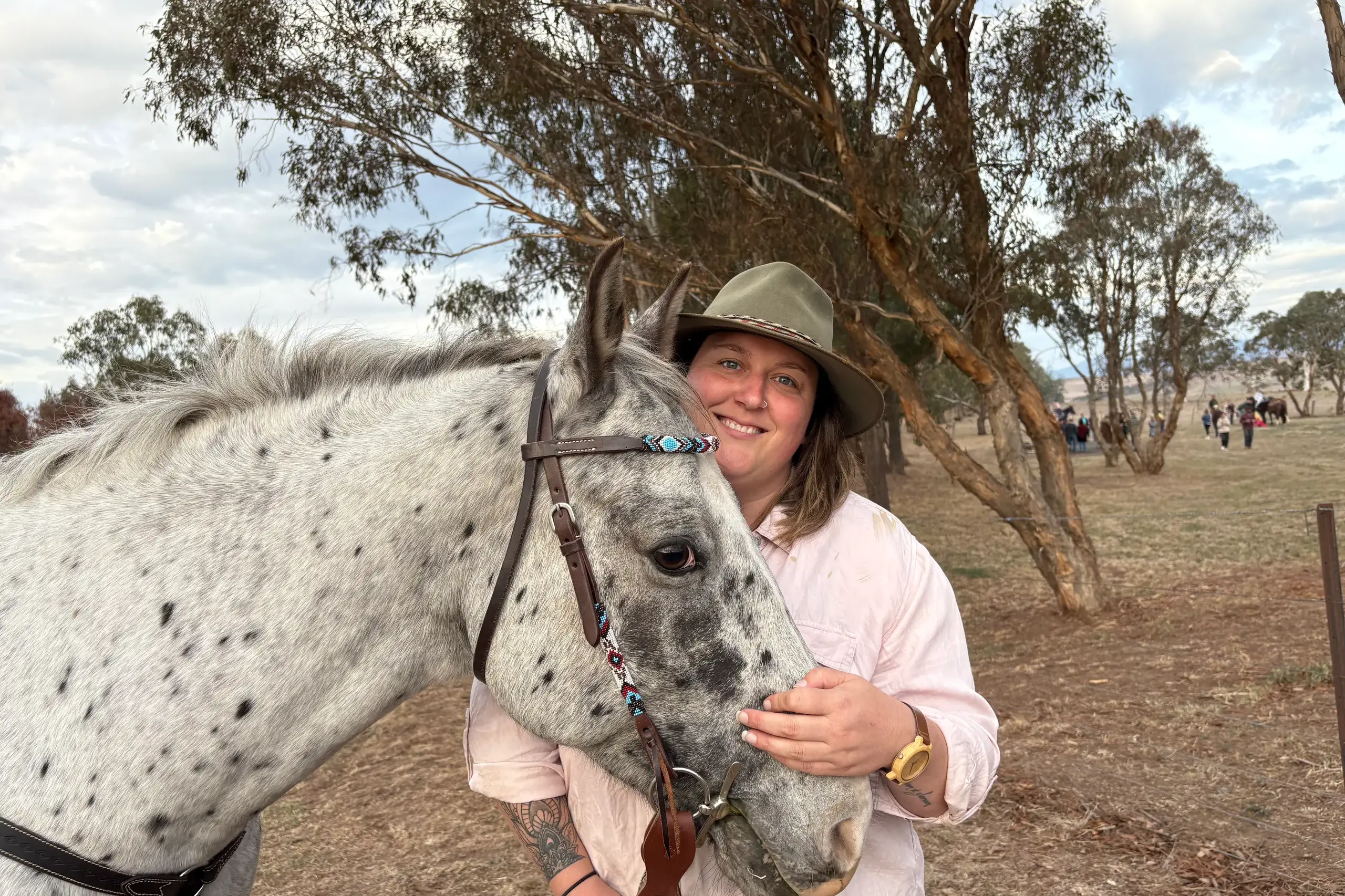
The Courier recently caught up with Mansfield resident Bonnie Clark, who put aside her councillor hat to share personal reflections on the impact of this month’s bushfire emergency and how the community moves along the road to recovery.
Like many community-minded locals during the bushfire disaster, Bonnie has stepped forward to help in any way she can, whether through practical assistance or emotional support for those affected.
A keen horsewoman, Bonnie offered to help transport other people’s horses to safety, while also providing words of encouragement to residents struggling in the aftermath of the fires.
Bonnie moved to Mansfield four years ago with her nine-year-old son.
She grew up in the Yarra Valley before living in Kanumbra and Gobur, and later making the move into town.
Being community-minded has long been part of her DNA.
“Since I was 14 or 15, I have always volunteered,” Bonnie said.
That commitment has shaped her career as a community development worker, both locally and overseas.
Bonnie holds a degree in international development and a certificate in Native American health, and has worked with marginalised communities in India, Indonesia and the tribal lands of the Eastern Band of Cherokee Indians.
She later returned to work locally, supporting youth programs, before commencing her role as a community development officer at Mansfield Adult Community Education (MACE) more than four years ago.
Bonnie is no stranger to the impacts of trauma following life-changing events.
She has walked alongside someone who lost family members in the 2009 Black Saturday fires in Marysville and continues to see the long-term effects.
“Fire doesn’t just burn land; it shakes people’s sense of safety, home, and future,” Bonnie said.
“Right now, many are still in shock—running on adrenaline, doing what needs to be done.”
“The past few days have shown the very best of our community—bravery, generosity, and people stepping up without being asked."
However, Bonnie said the real challenge often comes once the immediate emergency passes.
“The hardest part of disasters often isn’t the emergency—it’s what comes after,” she said.
“At some point, the headlines fade, social media moves on, and the rest of the world returns to ‘normal’.”
“But for those who’ve lost homes, stock, income, memories, or peace of mind—nothing is normal yet.”
“That’s when community matters most: not just in the crisis, but long after,” Bonnie emphasised.
While problems cannot always be fixed, Bonnie said communities can create safe spaces.
“We can acknowledge that people are still dealing with it and validate that it is okay to be impacted,” she said.
As the community shifts from response to recovery, Bonnie spoke about what she calls the “Rule of Three” and what recovery often looks like.
“From humanitarian work, I’ve learned that recovery follows a pattern,” she said.
The first stage is “Three Days – The Surge.”
Adrenaline is high, help floods in through volunteers and donations, and people operate in survival mode, focused on immediate practical tasks.
Next comes “Three Weeks – The Realisation.”
The shock wears off, exhaustion sets in, and people begin to fully comprehend what they have lost.
This is often when emotional and mental strain peaks.
Then follows “Three Months – The Quiet Drop-Off.”
Life resumes for most, support tapers off, and those most affected can feel forgotten or left behind.
“This is when community connection is critical,” Bonnie said.
“Recovery can be a long haul, and communities need to wrap themselves around those who are struggling.”
“Social isolation is a time of danger—we are not built to go it alone.”
Bonnie is a strong advocate for community centres, neighbourhood houses and country halls as places that strengthen connection and belonging.
She also pointed to the long-term impacts, which she describes as the “Three Years – The Echo” phase.
“Trauma doesn’t follow a neat timeline,” she said.
“Anniversaries, the smell of smoke, and dry summers can reopen wounds.”
“Healing isn’t linear—and that’s okay.”
Reflecting on what community truly means during recovery, Bonnie said it was about staying, not just showing up once.
It means checking in weeks and months later, supporting local businesses and families hardest hit, and allowing people to grieve, rebuild and heal in their own time.
Bonnie hopes residents remember that recovery is a marathon, not a sprint.
Kindness needs to last longer than the news cycle.
Those affected do not need pity, but presence, patience and practical support.
“The real test of a community isn’t how it responds in crisis, but how it walks beside people long after the flames are out,” she said.
Summing up the road ahead, Bonnie said recovery would come, but not overnight.
“And we will do it best by staying connected, staying kind, and remembering that healing takes time,” she said.
“No one should feel left behind on this road forward."