PHOTO
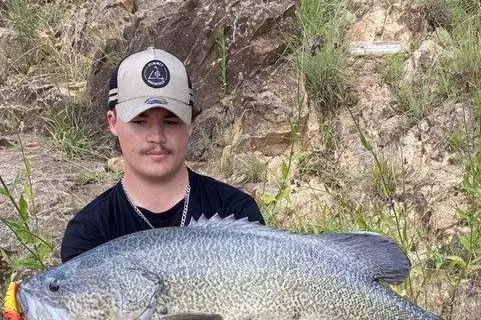
LAKE Eildon is renowned for its diverse aquatic life, including the iconic Murray Cod (Maccullochella peelii).
Understanding the life cycle of this species can enhance the fishing experience and promote sustainable angling practices.
Spawning Season
Murray Cod typically spawn between late spring and early summer (October to December) when water temperatures reach around 15-20°C.
During this period, male Murray Cod establish territories and prepare nesting sites in sheltered, shallow areas with suitable substrate, such as submerged logs or rocky crevices.
Females lay thousands of adhesive eggs, which the males then fertilise and guard diligently until hatching.
Egg and Larval Stages
The eggs hatch within 5-13 days, depending on water temperature.
The newly hatched larvae are about 7-9 mm long and remain in the nest for several days, sustained by their yolk sacs.
During this vulnerable stage, the male continues to guard the nest.
As the larvae grow and their yolk sacs are absorbed, they begin to venture out in search of planktonic food.
Juvenile Stage
Juvenile Murray Cod, now around 25-30 mm long, disperse from their nesting sites.
They seek habitats rich in cover, such as weed beds, fallen timber, and rocky areas, which provide protection from predators and abundant food sources.
Juveniles primarily feed on small invertebrates and gradually transition to a more carnivorous diet, including other fish.
Adult Stage
Murray Cod reach sexual maturity at around 4-6 years of age, depending on environmental conditions and food availability.
Adults can grow to impressive sizes, with some individuals exceeding 1 meter in length and weighing over 40 kg.
In Lake Eildon, the abundance of prey species such as redfin, carp, and smaller native fish supports the growth of large, healthy cod populations.
Feeding Habits and Behaviour
Murray Cod are apex predators and exhibit ambush hunting tactics.
They are known for their territorial nature, often remaining in a preferred home range.
Their diet primarily consists of fish, crustaceans, and occasionally small mammals or birds.
Anglers targeting Murray Cod in Lake Eildon often use lures or live bait that mimic the movement and appearance of their natural prey.
Conservation and Sustainable Fishing
Understanding the life cycle of Murray Cod is crucial for conservation efforts.
Anglers are encouraged to practice catch-and-release, especially during the spawning season, to ensure the sustainability of the species.
Regulations such as size and bag limits are in place to protect breeding populations and maintain the ecological balance of Lake Eildon.
By respecting these guidelines and gaining insight into the life cycle of Murray Cod, anglers can contribute to the preservation of this remarkable species while enjoying the thrill of fishing in Lake Eildon.